




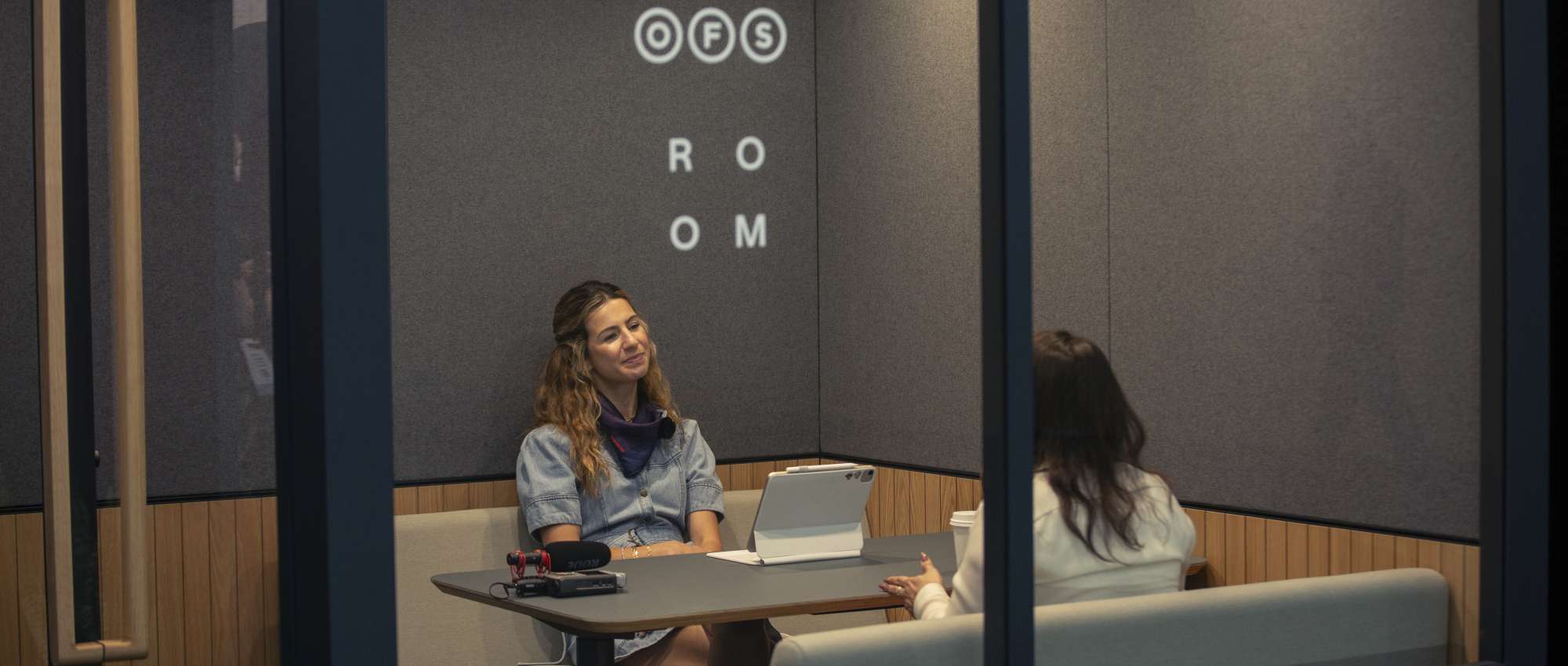
From Wesley Edmonds, Director of Workplace, at OFS.
The International Contemporary Furniture Fair occupies a unique position within the design industry. Few events genuinely embody the idea of where “design, commerce, community, and culture meet,” but ICFF earns that description in real time across every aisle of the Javits Center in New York City.
And yes…. there are an incredible number of chairs.
But more on that in a moment.
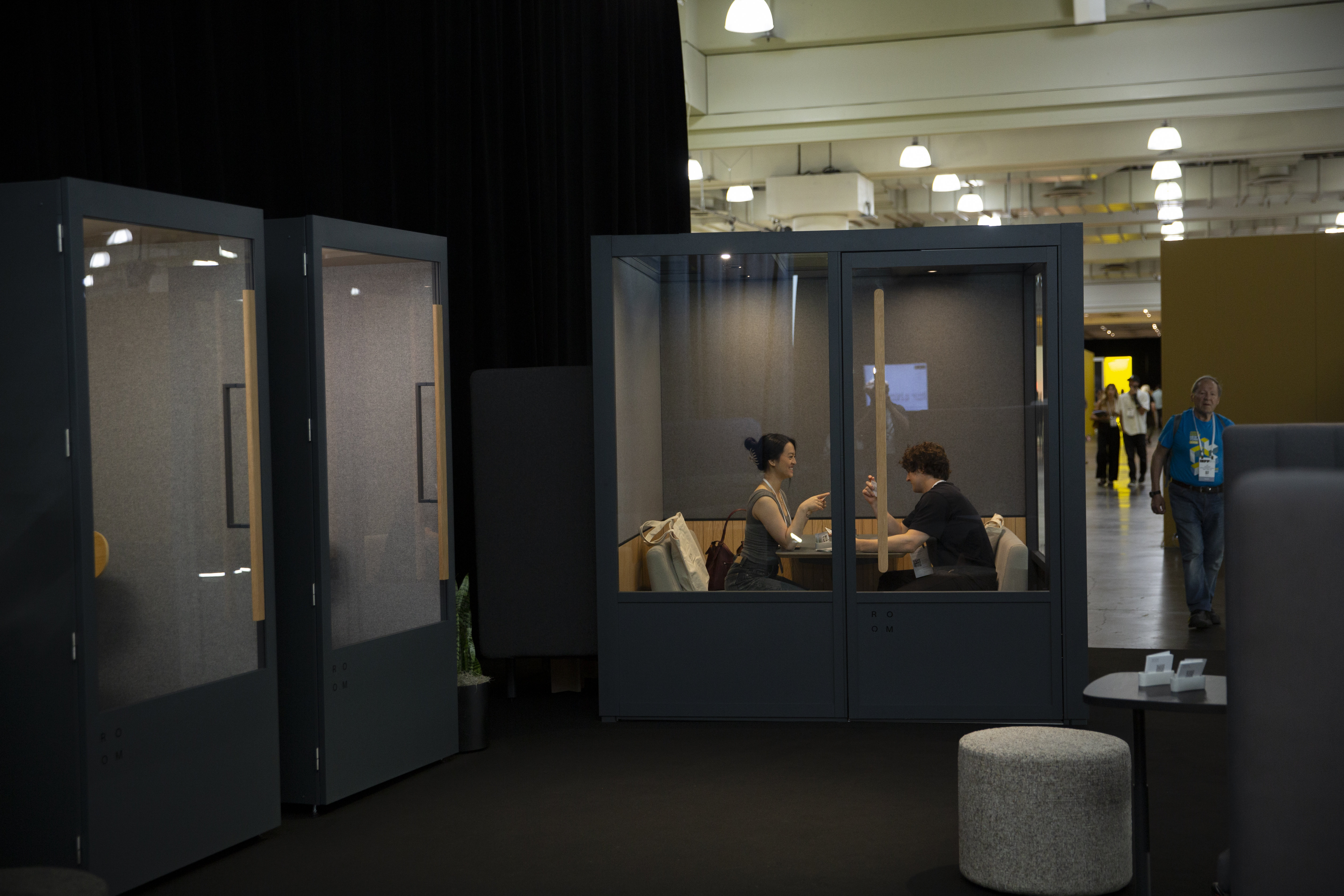
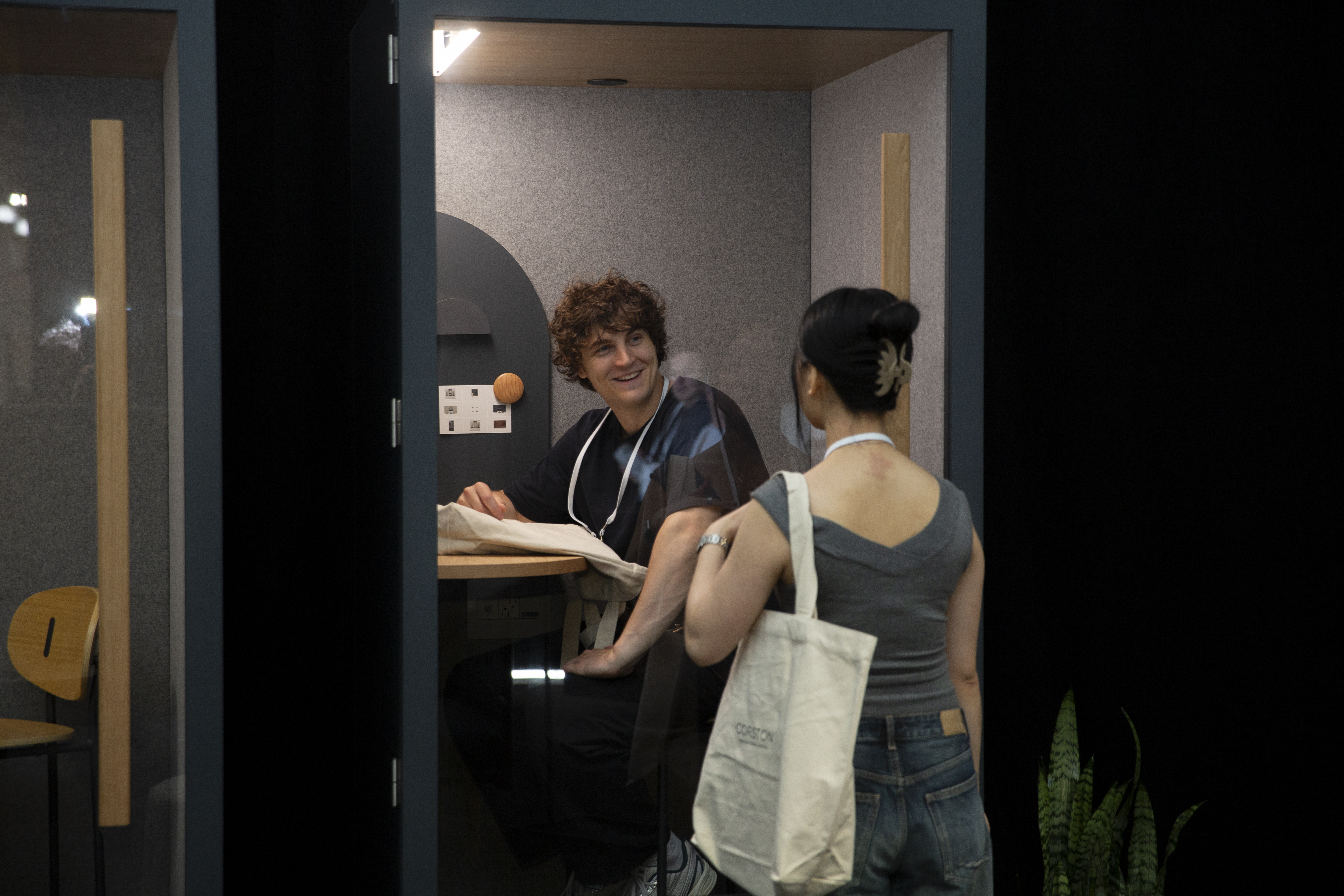
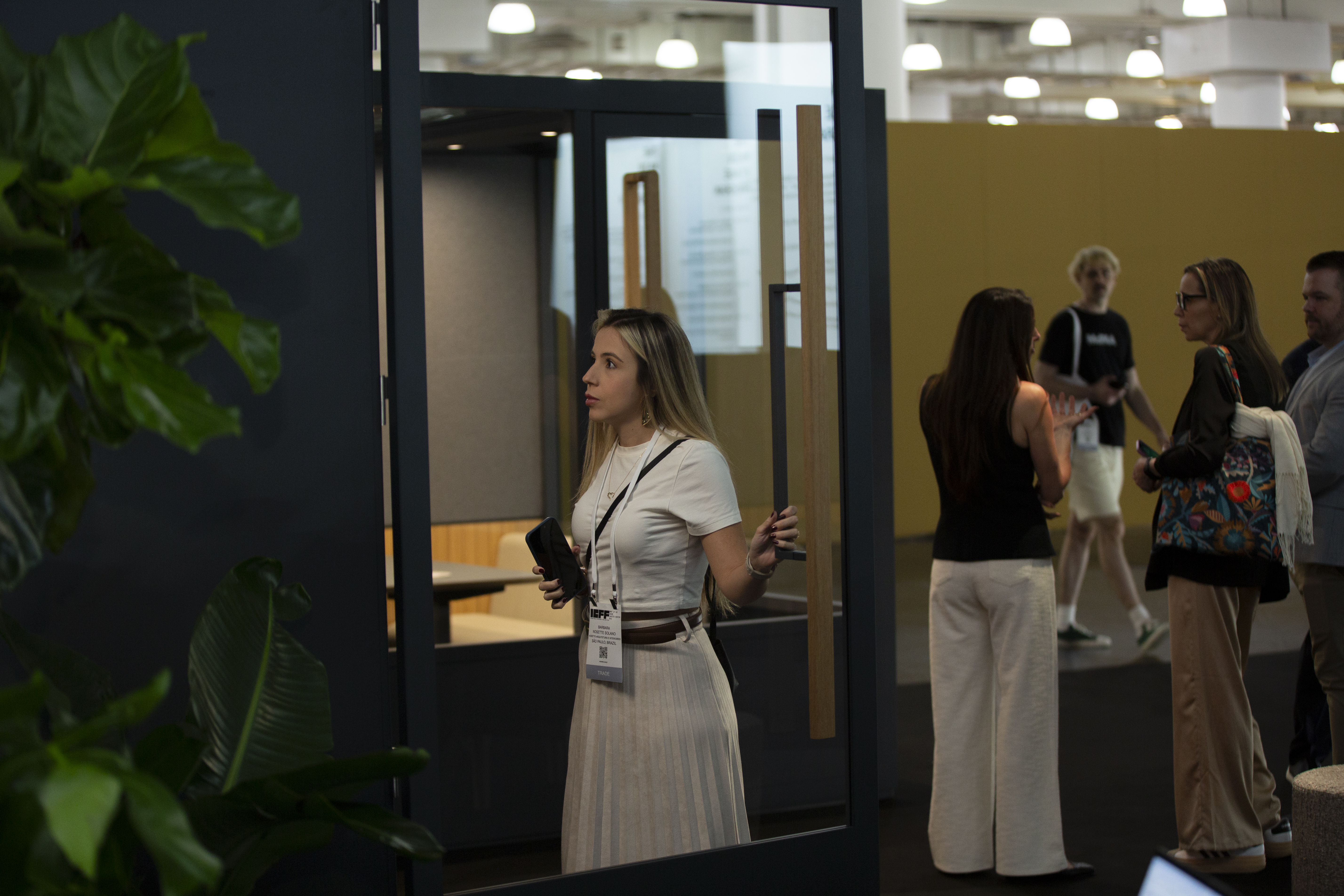
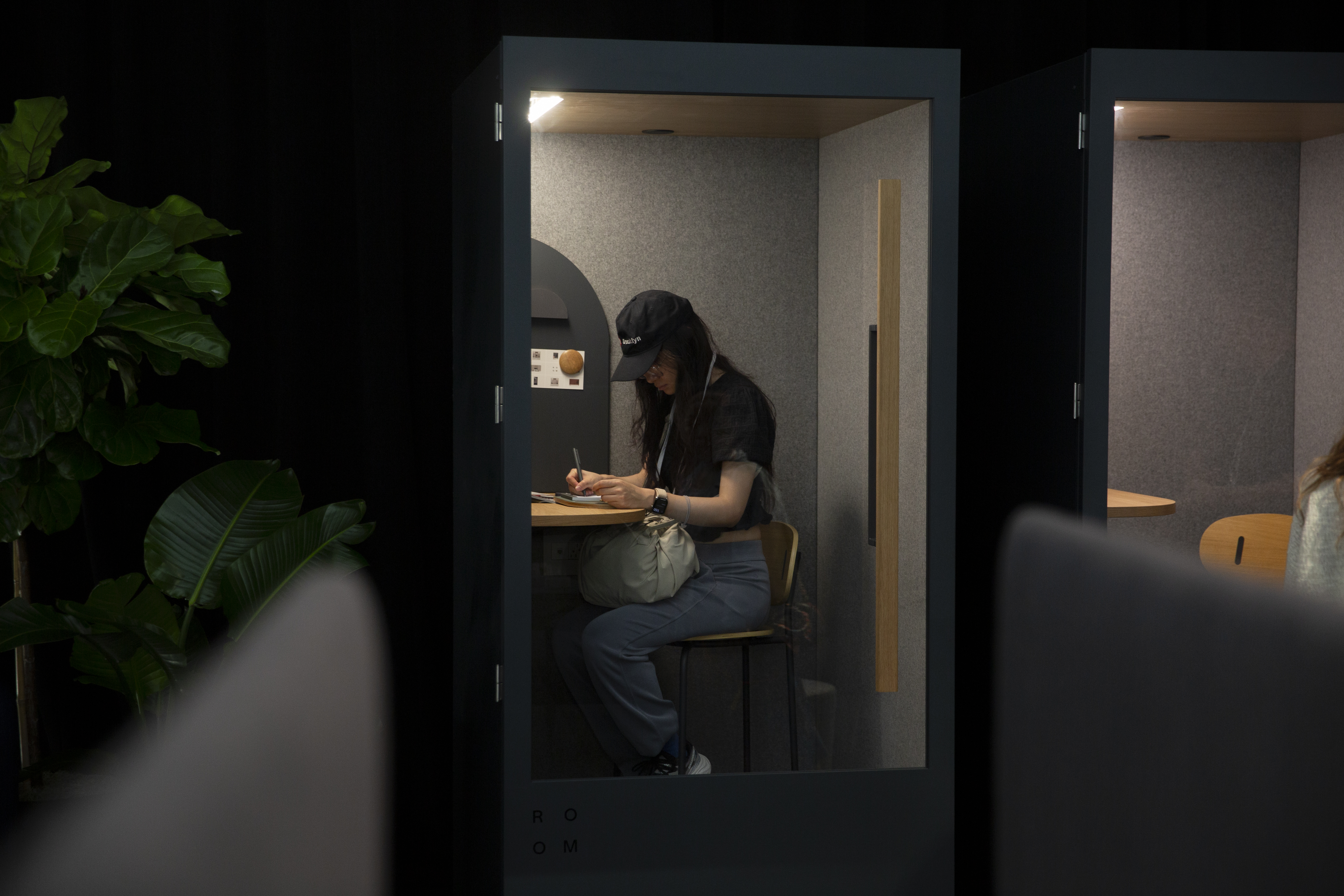
What makes ICFF so compelling is not simply the scale of the show or the products on display. It’s the way the fair reflects where design is heading. Walking the floor this year, one thing became increasingly clear: the traditional boundaries between workplace, hospitality, residential, and experiential design are rapidly disappearing.
The same expectations people now have for boutique hotels, thoughtfully designed homes, and wellness spaces; comfort, warmth, flexibility, and authenticity are increasingly shaping commercial interiors as well. Design is no longer evaluated solely on aesthetics or function. People want spaces that feel human.
That shift appeared everywhere throughout the show.
The Bespoke Salon celebrated craftsmanship at its highest level, showcasing handmade furnishings, textiles, and architectural finishes that emphasized process, individuality, and materiality. In an increasingly digital world, the presence of handcrafted work felt especially meaningful. It served as a reminder that as technology accelerates, human craftsmanship becomes more emotionally valuable, not less.
This renewed focus on authenticity mirrors a broader movement happening across the industry, including within organizations like OFS and ROOM, where thoughtful manufacturing, material innovation, and human-centered design continue to shape the future of workplace and hospitality environments.
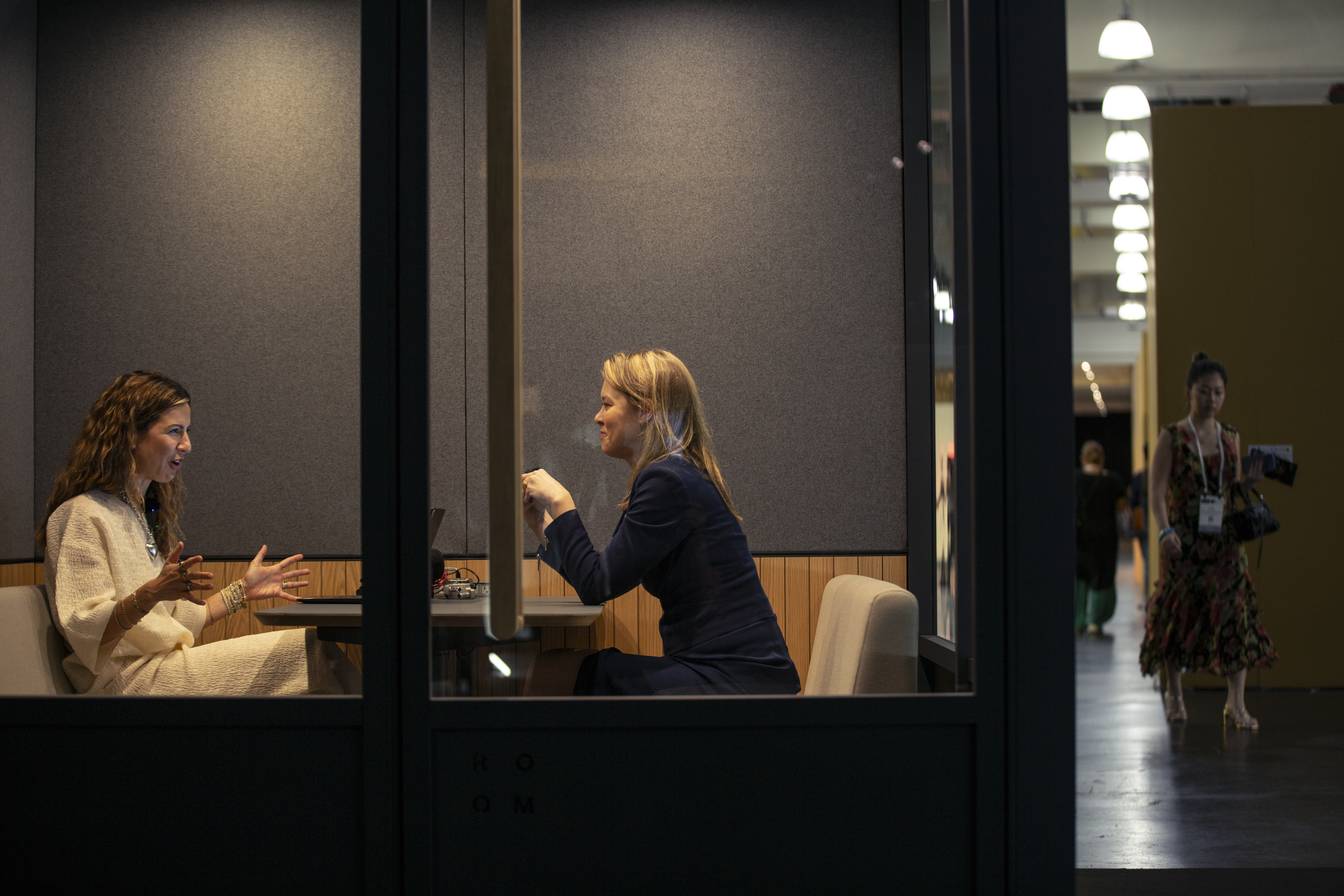
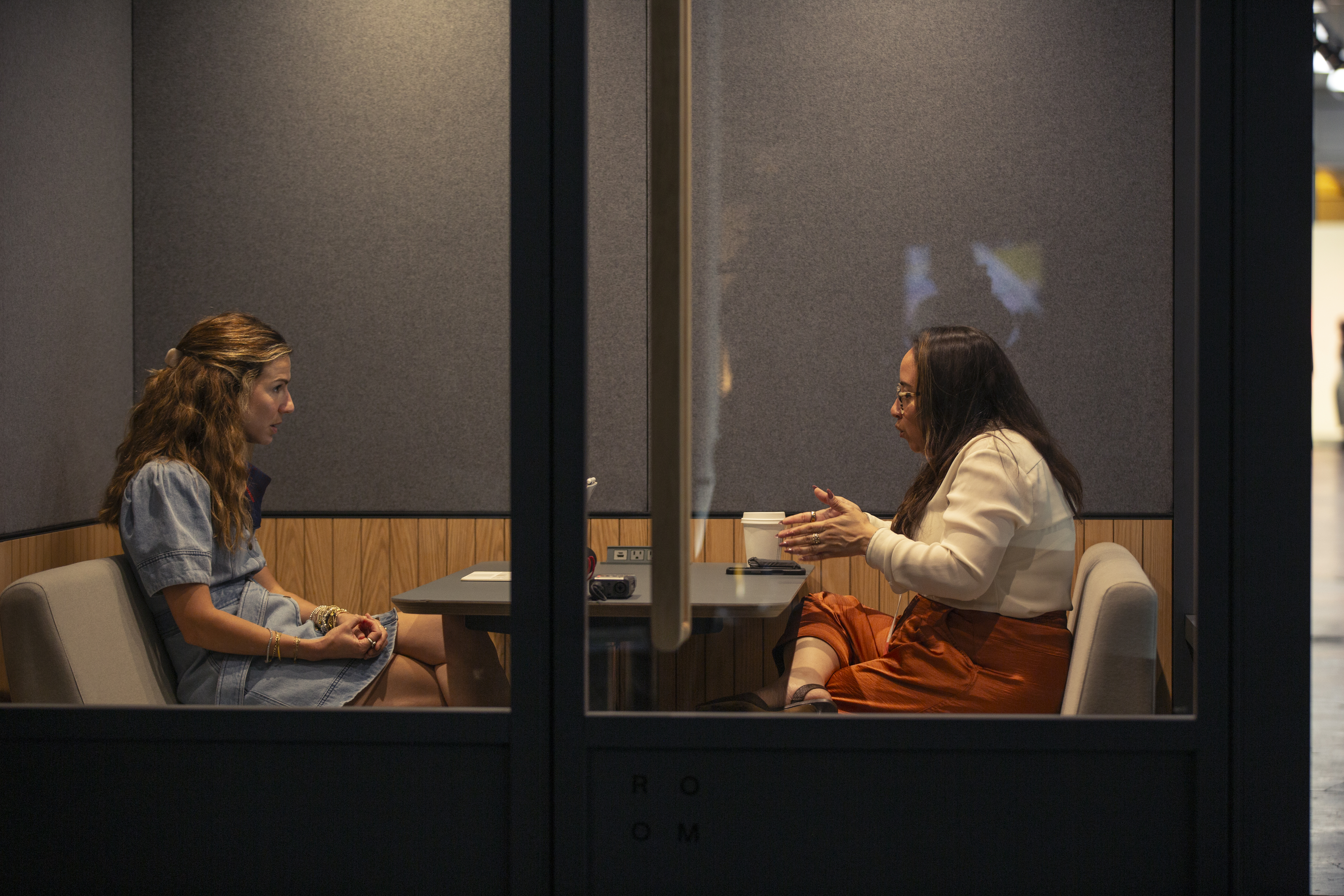
Elsewhere on the floor, the largest section of the fair, WANTED, offered a glimpse into the next generation of design thinking. Emerging studios, experimental prototypes, international makers, and design school talent filled the space with an unmistakable sense of optimism and curiosity.
And perhaps that’s one of ICFF’s greatest strengths: it creates room for different voices, disciplines, and perspectives to coexist. Students, independent makers, global manufacturers, and heritage brands all participate in the same conversation. The result feels less like a trade show and more like a living dialogue about how humans occupy space.
One of the clearest expressions of that conversation came through Be Original Americas’ partnership with Rarify, which transformed its exhibit into part lounge, part gallery, and part manifesto. Displayed prominently throughout the space were the organization’s guiding beliefs, including the ideas that investing in original design is good business, that creativity matters, and that good design makes a difference.
Taken together, they felt less like marketing statements and more like a summary of the fair itself.
And then there were the chairs.
So many chairs.
Among the lighting installations, acoustic solutions, and textile displays sat an endless landscape of seating, sculptural chairs, ergonomic task chairs, benches, prototypes, handcrafted concepts, and products built from recycled materials.
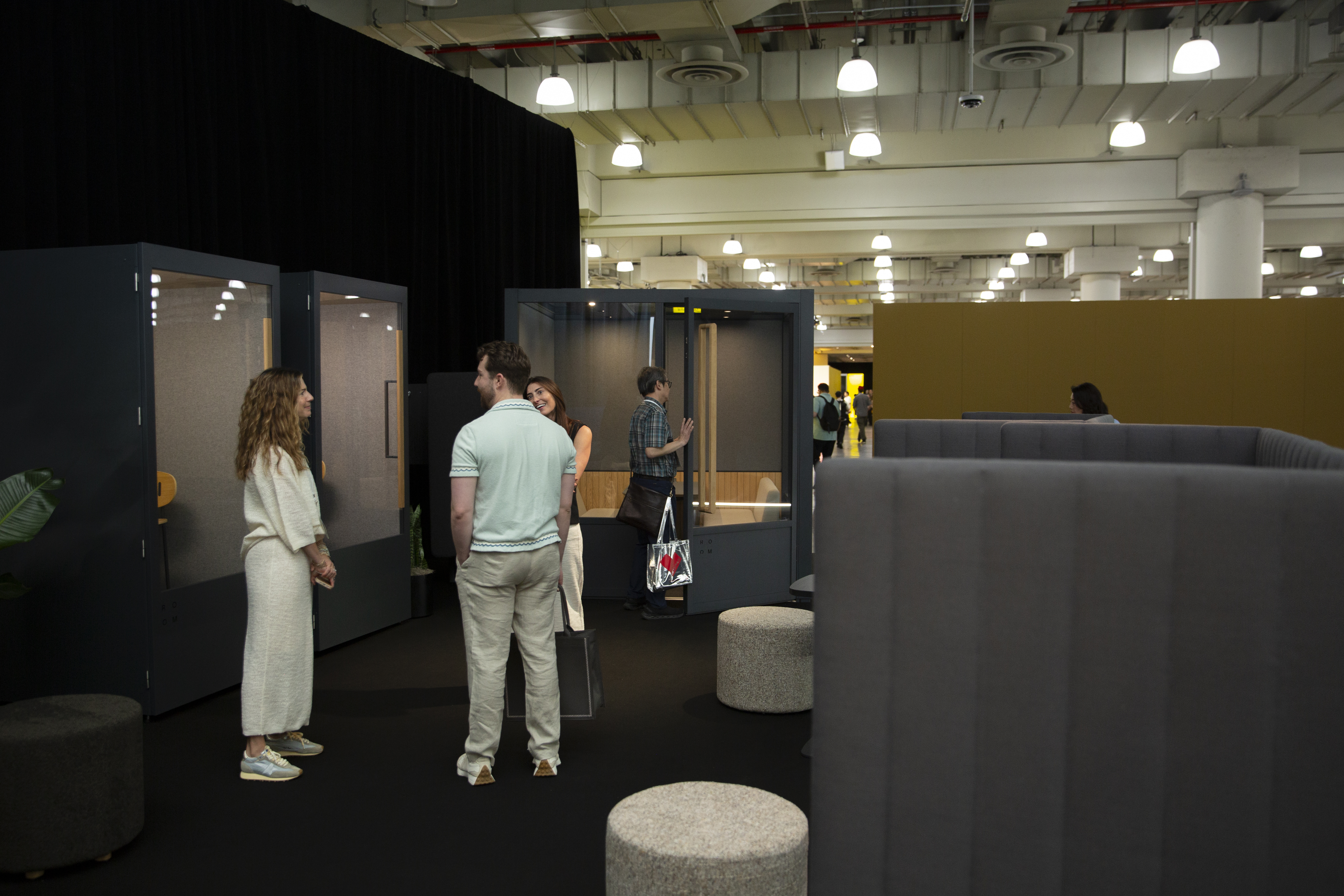
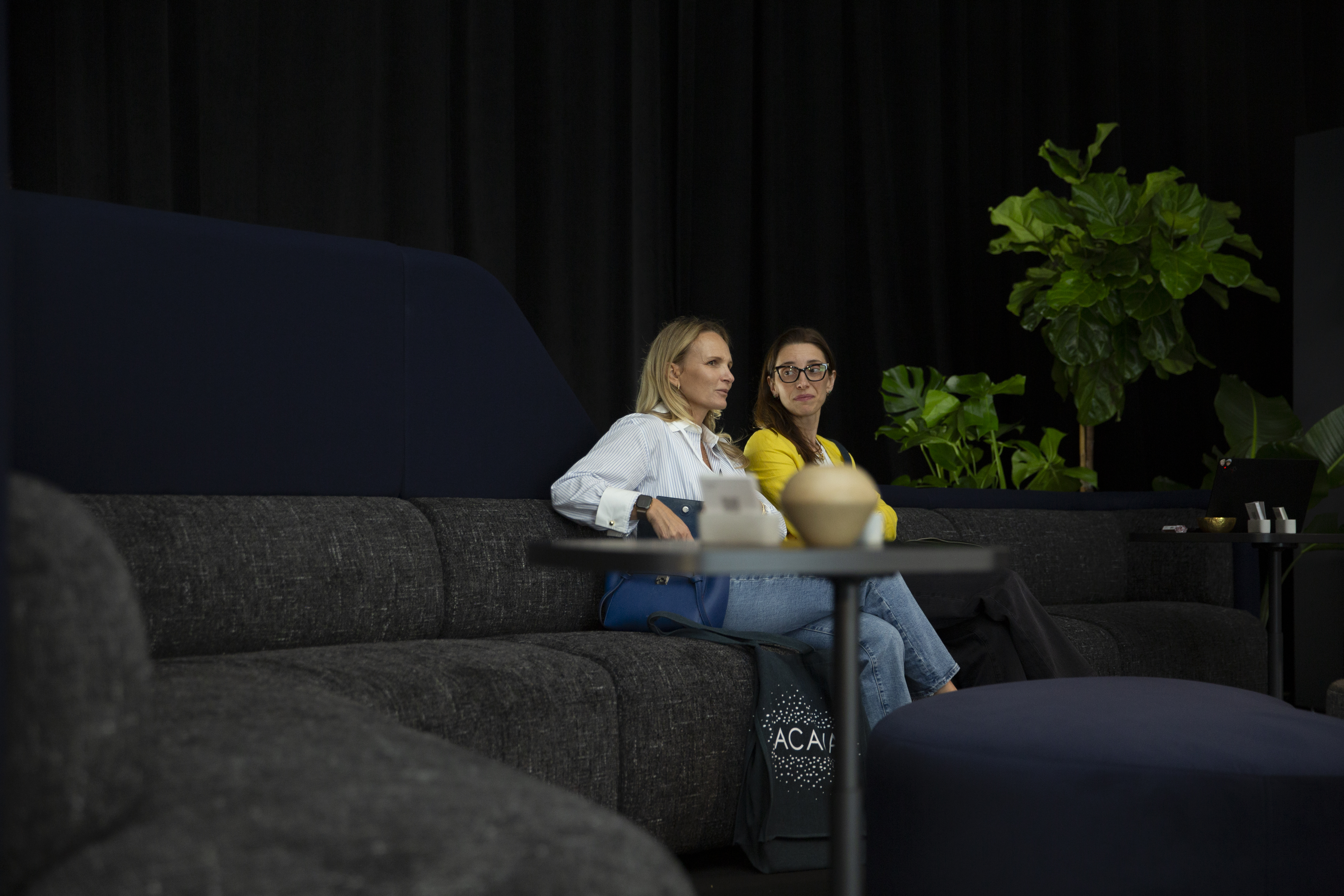
But what stood out most was what the chair has become within contemporary design culture: a laboratory for innovation.
Few objects require designers to solve for comfort, ergonomics, sustainability, manufacturing, craftsmanship, and emotional response all at once. At ICFF, seating became the clearest reflection of where the industry is headed. Hospitality-inspired comfort, residential warmth, flexibility, and sustainable thinking all converged in a single category.
The message was impossible to miss: people no longer want spaces that simply function. They want spaces that feel good to inhabit.
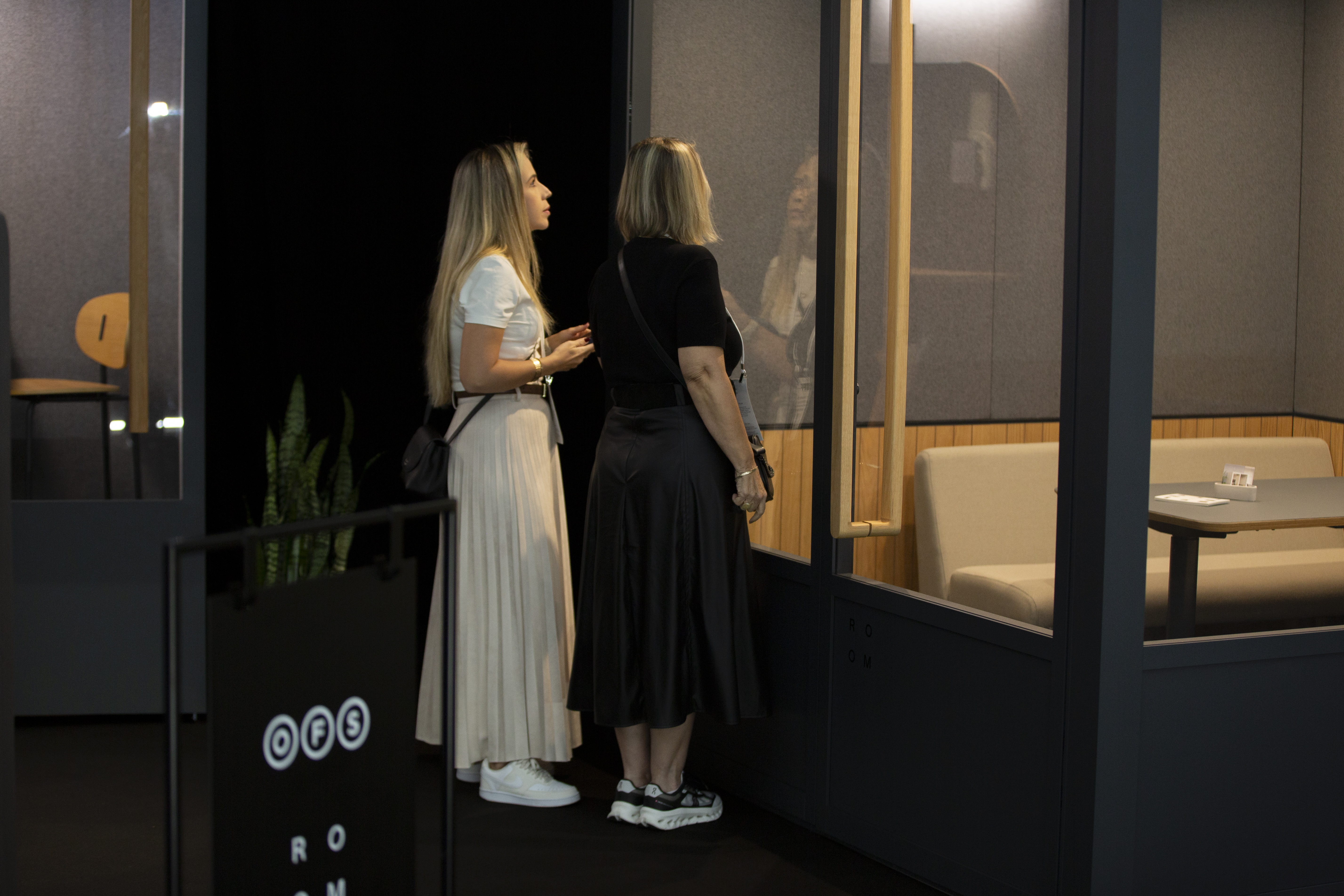
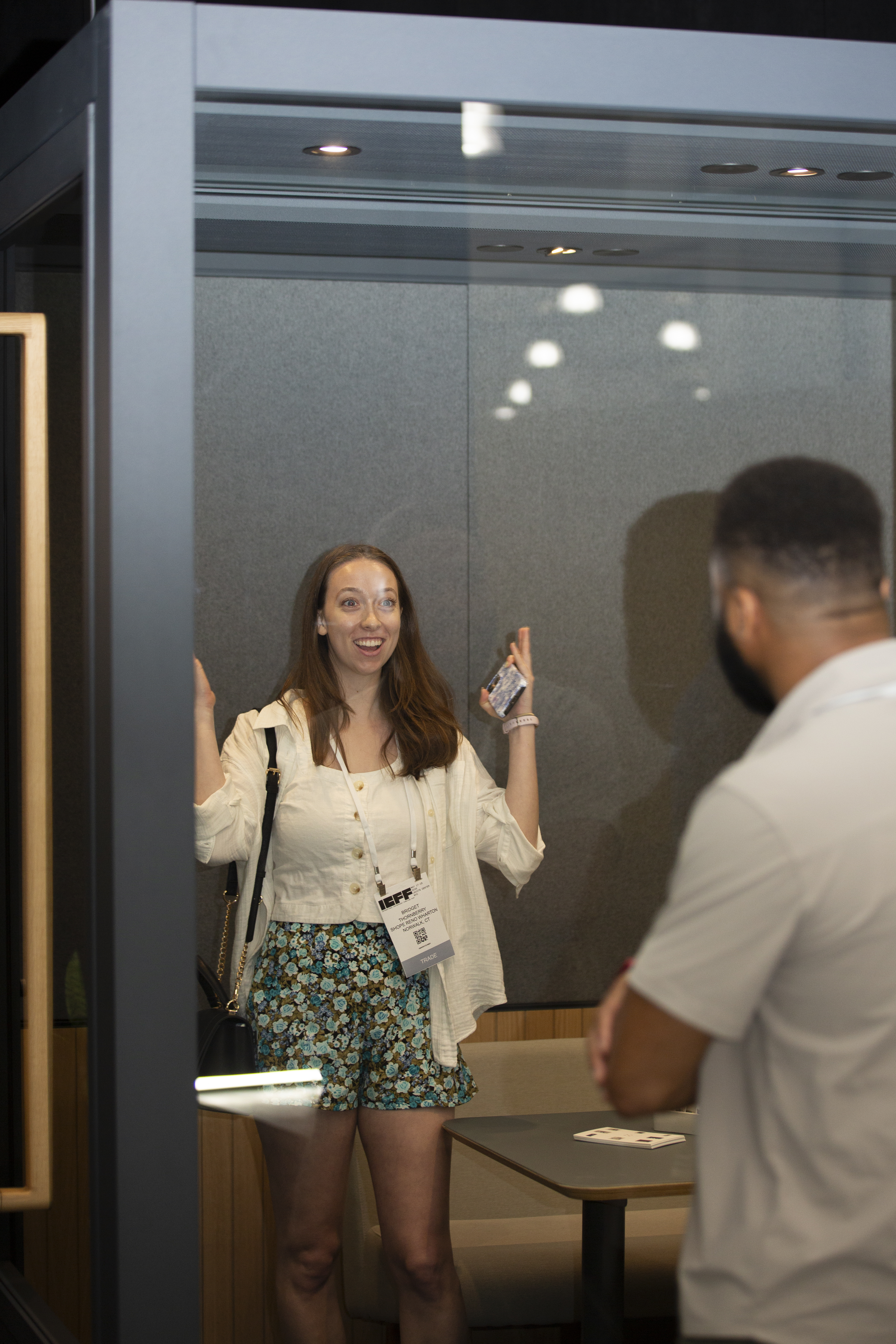
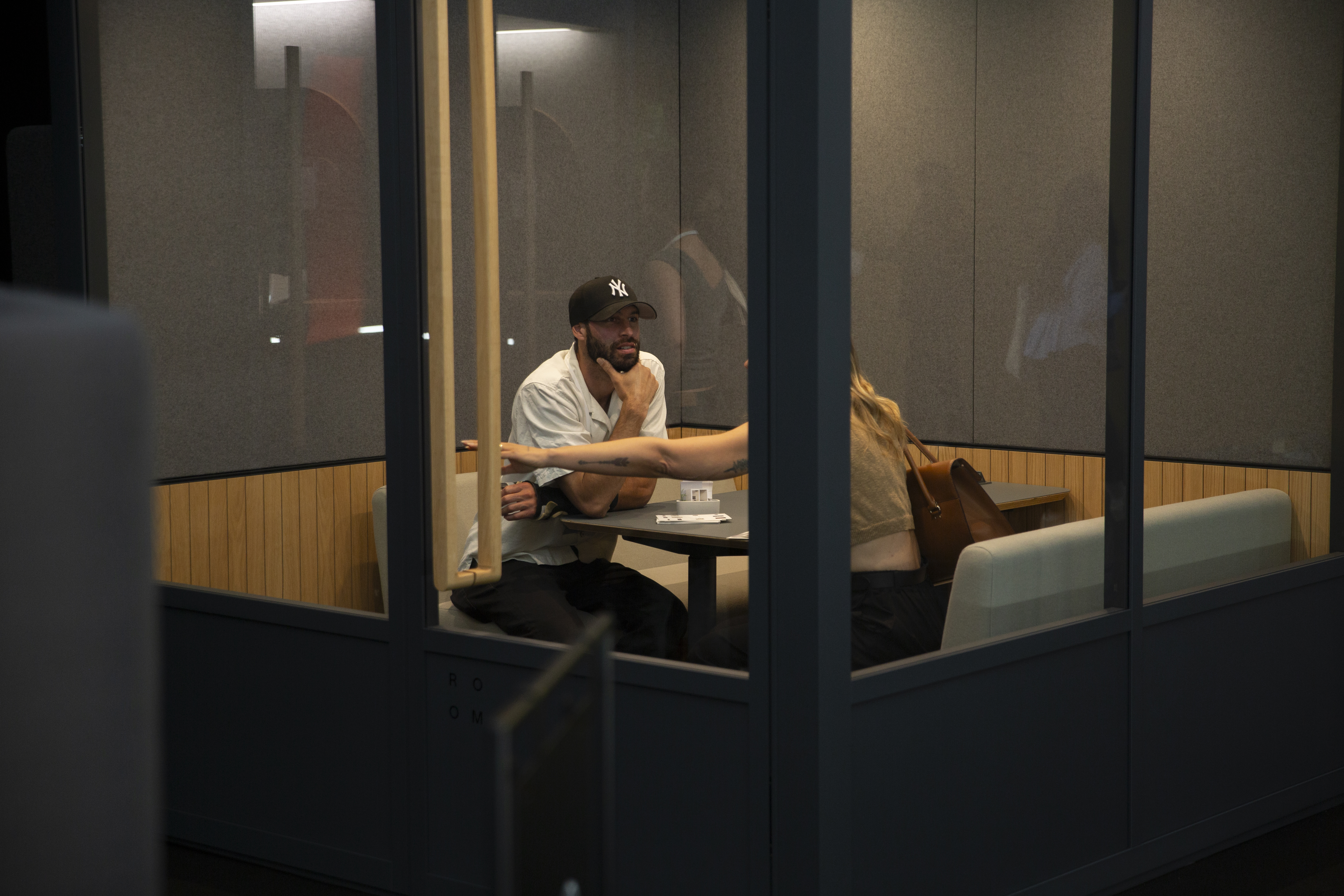
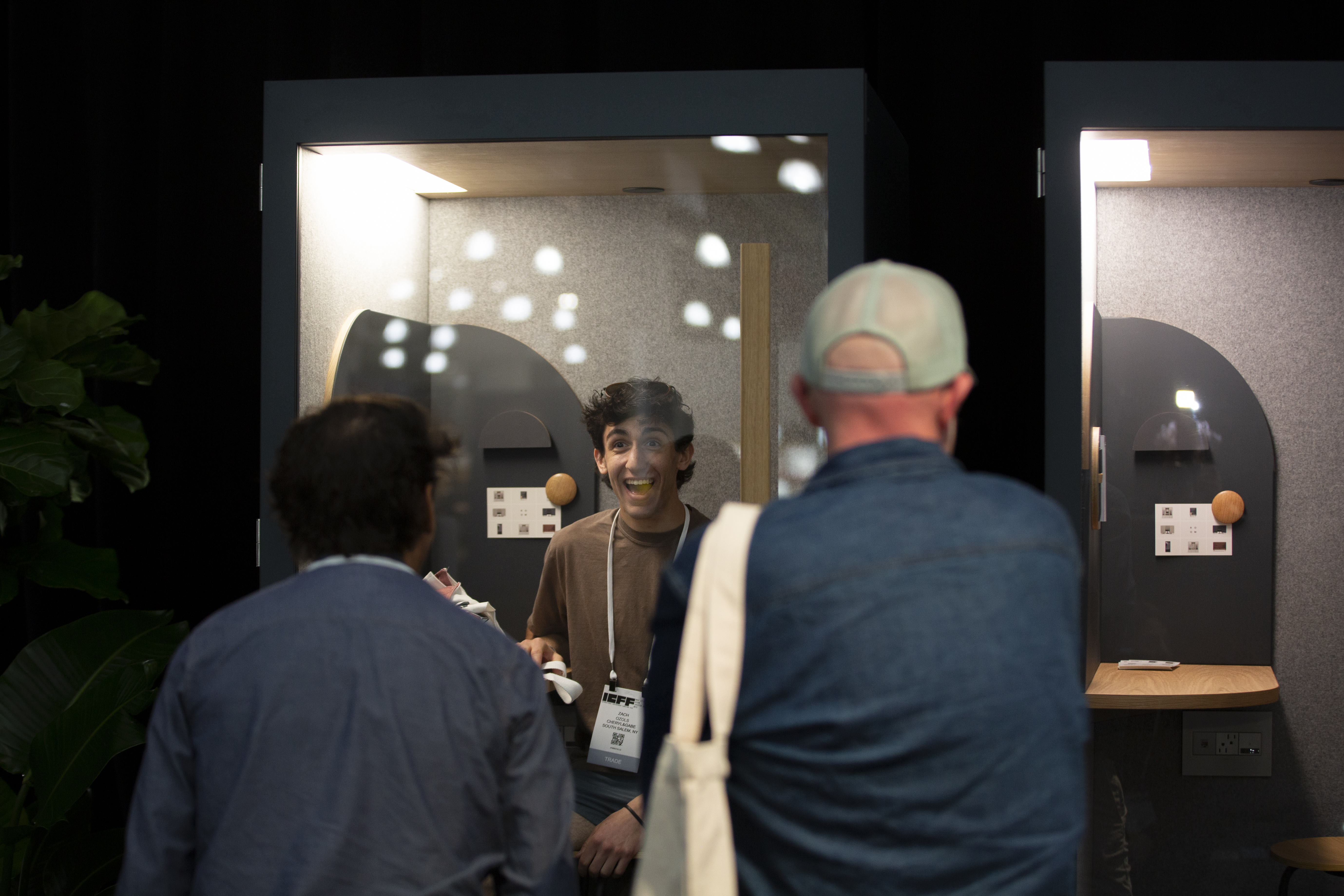
The message was impossible to miss: people no longer want spaces that simply function. They want spaces that feel good to inhabit.
That evolution continues to influence the broader commercial interiors industry, including the ways companies like OFS, who clearly states that “every seat matters” throughout their workplace methodology, are approaching workplace research, hospitality-inspired environments, and human-centered solutions designed to support wellbeing and connection.
Perhaps the most encouraging takeaway from ICFF this year wasn’t any individual product or installation, but the openness of the event itself. There was room for experimentation. Room for craftsmanship. Room for emerging voices and established brands alike.
Enough seats for everyone.